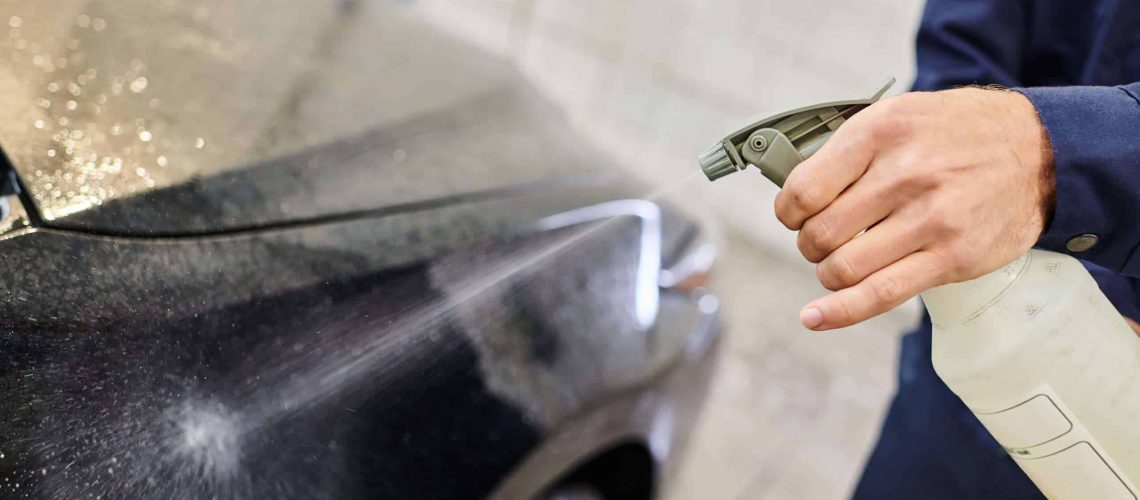
If you’ve ever washed your car only to find cloudy spots or white rings left behind once it dries, you’ve probably encountered hard water stains. These spots are common and can be frustrating, especially when a regular wash doesn’t seem to get rid of them.
The good news is that fresh hard water stains are usually manageable. The key is knowing what causes them, how to remove them and how to prevent them from becoming a bigger problem.
What Causes Hard Water Stains on Cars?
Many things can cause water spots on your car. Hard water contains dissolved minerals such as calcium and magnesium. When water droplets land on your vehicle and eventually evaporate, these minerals can remain behind on the surface.
Rain water can also contribute to water spots. While rain water is generally cleaner than water from a sprinkler or garden hose, it typically carries airborne pollution, dust and other contaminants as it falls through the atmosphere. Rain can also pick up very nasty dirt and other debris from a nearby roof, trees or the surrounding surface before reaching your car.
This is why rain water isn’t necessarily the same as clean water. Rain water typically carries mineral concentrations and other contaminants, and these are left behind as the water evaporates.
Washing your car and allowing it to air dry, parking near lawn sprinklers or getting caught in rain can all leave mineral deposits behind. The harder the water, the more noticeable these deposits may become.
Fresh deposits typically appear as small white spots or rings on the paint, windows and other exterior surfaces. If they’re allowed to remain for an extended period, they can develop into a more severe form of water spotting.
How to Remove Hard Water Stains From Your Car
The best way to remove hard water stains depends on how severe they are. If the mineral deposits are relatively fresh, you may be able to remove them with a thorough wash and the right cleaning products.
The goal is to remove the contamination without damaging the paint. Using very aggressive means to remove a stubborn spot can sometimes create a bigger problem than the original stain.
1. Wash the Car First
Start by giving your vehicle a thorough wash. A complete wash removes dirt, dust and other contaminants from the surface and makes it easier to determine how much of the staining remains.
Avoid scrubbing aggressively, since rubbing dirt and mineral deposits against the paint can potentially cause fine scratches. You want to remove the very dirty water and nasty dirt from the vehicle before attempting more targeted stain removal.
If possible, wash the vehicle out of direct sunlight. This gives you more time to work with the cleaning products before they dry on the surface.
2. Use a Water Spot Remover
For mineral deposits that remain after washing, a dedicated water spot remover can help break down the deposits. Follow the product’s directions carefully and make sure it is safe for your vehicle’s particular surface.
Water spot removers are especially useful for mineral deposits that have formed hard bonds with the paint. You may need to repeat the process for particularly stubborn spots.
If you’re trying to remove water spots, don’t immediately resort to abrasive methods. Chemical treatment is often a better first step because it can remove mineral contamination without unnecessarily removing any of the clear coat.
3. Try a Clay Bar for Stubborn Deposits
If the surface still feels rough after washing, a clay bar can help remove certain contaminants that remain bonded to the paint.
A clay bar should be used with an appropriate lubricant and gentle pressure. It isn’t always necessary for water spots, but it can be useful when mineral deposits and other contaminants are sticking to the surface.
A clay bar works particularly well as part of the usual claying process when contamination remains after a complete wash. However, it isn’t a cure-all for every type of water stain. Some mineral deposits can be too deeply etched into the finish for claying alone to work.
4. Consider Professional Paint Correction
Some water spots aren’t simply sitting on top of the paint. If mineral deposits have been left on the vehicle for a long time, they can eventually etch into the clear coat.
At that point, washing or using a water spot remover may not be enough. Light polishing or professional paint correction may be necessary to restore the appearance of the paint.
Potentially wet sanding may be considered for particularly severe defects, but this is an aggressive process that should generally be left to an experienced professional. Steel wool pad use, abrasive scrubbing and other very aggressive means of removing stains can permanently damage automotive paint and should be avoided.
Once water spots have etched into the clear coat, the process for correcting them changes. The process remains unchanged in principle — remove the damaged material carefully and restore the finish — but more severe spotting may require more advanced techniques.
If you’re unsure whether a stain is surface contamination or actual paint damage, it’s best to have the vehicle evaluated before attempting an aggressive correction.
How to Prevent Hard Water Stains
The easiest way to deal with hard water stains is to prevent them from forming in the first place.
Try not to let water droplets sit on your vehicle until they completely evaporate. This is particularly important if you’re washing your car at home with hard water.
Regular washing can also help prevent mineral deposits and other contaminants from building up on the surface. If your vehicle gets dirty between washes, removing that buildup before it has a chance to bond with the paint can make future cleaning much easier.
It’s also worth considering where the water is coming from. Ground water can contain significant amounts of dissolved minerals, depending on the local water supply. When this water dries on your vehicle, those mineral concentrations can remain behind as spots.
Protective products such as waxes, paint sealants and ceramic coatings can provide another layer of protection and make the surface easier to maintain. They won’t make your vehicle completely immune to water spots, but a protective layer can provide maximum protection against many of the contaminants your vehicle encounters and make routine cleaning easier.
It’s also worth paying attention to where you park. If your car is regularly exposed to lawn sprinklers, for example, moving it away from the spray can prevent repeated mineral buildup. The same applies to water dripping from a nearby roof or other surrounding surface.
If you do get water spots, don’t assume you need the most aggressive treatment available. Start with a wash and work your way toward more specialized methods as needed.
What About Acid Rain?
Acid rain is sometimes blamed for water spots, but the bigger concern is often what rain water collects before and after it reaches your vehicle. Acid rain can contain pollutants that may contribute to surface contamination, but ordinary rain can also leave behind dirt, minerals and other substances.
Regardless of the source, the same guidelines apply: don’t allow contaminated water to sit and evaporate on your vehicle whenever possible. Washing the vehicle regularly can help prevent these contaminants from accumulating.
Can a Car Wash Remove Hard Water Stains?
A professional car wash can help remove fresh mineral deposits and prevent them from accumulating on your vehicle. However, the effectiveness depends on how long the water spots have been sitting on the surface.
If you’re dealing with fresh deposits, a thorough wash may be enough. Older water spots that have etched into the clear coat can require additional treatment.
Regular car washing is one of the simplest ways to keep mineral deposits, dirt and other contaminants from sitting on your paint for extended periods.
Keep Your Car Looking Its Best
Hard water stains are easier to deal with when they’re addressed early. Regularly washing your vehicle can help remove mineral deposits before they have an opportunity to become stubborn or etch into the paint.
Whether the contamination comes from rain water, ground water, sprinklers or another source, removing it before it forms hard bonds with the surface is the best approach. A complete wash should always be the starting point before moving on to a clay bar, water spot remover or more advanced paint correction.
If your car already has severe water spotting that doesn’t come off with a normal wash, consider having the paint professionally evaluated. Avoid potentially wet sanding, steel wool pad use or other aggressive methods unless you’re confident they are appropriate for the finish. A little extra attention can go a long way toward keeping your vehicle looking clean and protecting its clear coat.